
The thing nobody warns you about
Antidepressants work. They stabilize mood, quiet the noise in your head, make mornings survivable. And then they flatten something else entirely. Desire goes quiet. Orgasms become a theoretical concept. Sensation feels like it's coming through cotton padding. You're mentally healthier and sexually numb, which is a genuinely horrible trade to discover on your own.
The good news? This isn't permanent, and you don't have to choose. With the right approach and the right tools, sensation comes back.
Why antidepressants affect pleasure so much
Most antidepressants work by increasing serotonin availability in the brain. That's what helps with mood. But serotonin also affects arousal, blood flow, and the neurological pathways that create sensation. SSRIs (selective serotonin reuptake inhibitors) are the most commonly prescribed, and they're the most likely to numb pleasure.
Here's what happens physically. Arousal depends partly on norepinephrine, a neurotransmitter that drives that surge of energy and responsiveness. SSRIs can dampen norepinephrine signaling, which means the arousal cascade doesn't kick in as strongly. At the same time, dopamine (which fuels motivation and pleasure) takes a hit. The result is a kind of emotional numbness that extends straight into sexuality.
Genetically, some people metabolize these medications differently, so the effect varies wildly. Some people notice almost nothing. Others feel like someone dimmed a switch inside their body.
Why lemon vibrators work when sensation feels flattened
Traditional vibrators rely on sustained high-frequency vibration to build sensation. If your nervous system is already dampened by medication, that vibration either doesn't register or feels harsh and overwhelming without delivering actual pleasure.
Lemon clitoral vibrators, including the Lem, use a completely different mechanism. They create rhythmic suction and release, mimicking the sensation of oral stimulation but at a much more precise intensity. Because suction stimulates a broader area of nerve endings rather than delivering direct mechanical friction, it can wake up sensation that feels dormant.
The key is that suction doesn't rely solely on sensitivity to micro-vibrations. It creates pressure changes that your nervous system reads as distinct stimulation events. Even if serotonin is suppressing some of your sensitivity, that pressure-release cycle is harder to miss.
Many people report that lemon suction toys feel more like actual touch than traditional vibrators do. For folks on antidepressants, that difference can mean the distinction between sensation registering and sensation being swallowed into nothing.
The timing conversation with your doctor
Before you do anything, talk to your prescriber. I'm serious. Not because lemon vibrators are unsafe (they absolutely are, physically), but because there are legitimate options you might not know about.
Some antidepressants have less sexual side effects than others. Bupropion, for example, often improves desire and sensation compared to SSRIs. Mirtazapine tends to preserve sexual function better than paroxetine. If you've been on the same medication for a while and sensation is genuinely gone, switching to a lower-side-effect option might be worth discussing.
Timing doses matters too. Some people find that taking their SSRI in the morning rather than the evening, or right after sex rather than before, reduces the immediate dampening effect. Your pharmacist can advise on timing without changing the medication itself.
And here's the thing nobody says clearly: sexual dysfunction from antidepressants is real, treatable, and not something to white-knuckle through. Your doctor would rather know.
Starting with a lemon vibrator when sensation is muted
Three principles matter more than technique when you're rebuilding sensation.
First: lower intensity from the start. When sensation is flattened, the temptation is to crank everything up to compensate. That backfires. Start on the lowest pattern setting and spend 15 to 20 minutes with a lemon vibrator just exploring what you feel. This isn't about reaching orgasm. It's about teaching your nervous system that sensation is possible again.
Second: lubrication is mandatory. Tissue sensitivity is already compromised by medication. Add friction and you're fighting uphill. Water-based lubricant makes the suction mechanism of a lemon vibrator glide cleanly and reduces any discomfort. Silicone lubes feel richer but degrade silicone toys, so stick to water-based.
Third: patience on the timeline. It typically takes 2 to 4 weeks of consistent use (3 to 4 times weekly) for sensation to start noticeably returning when you're on an antidepressant. Your nervous system isn't broken. It's just running on a different neurochemical landscape. That takes time to recalibrate.
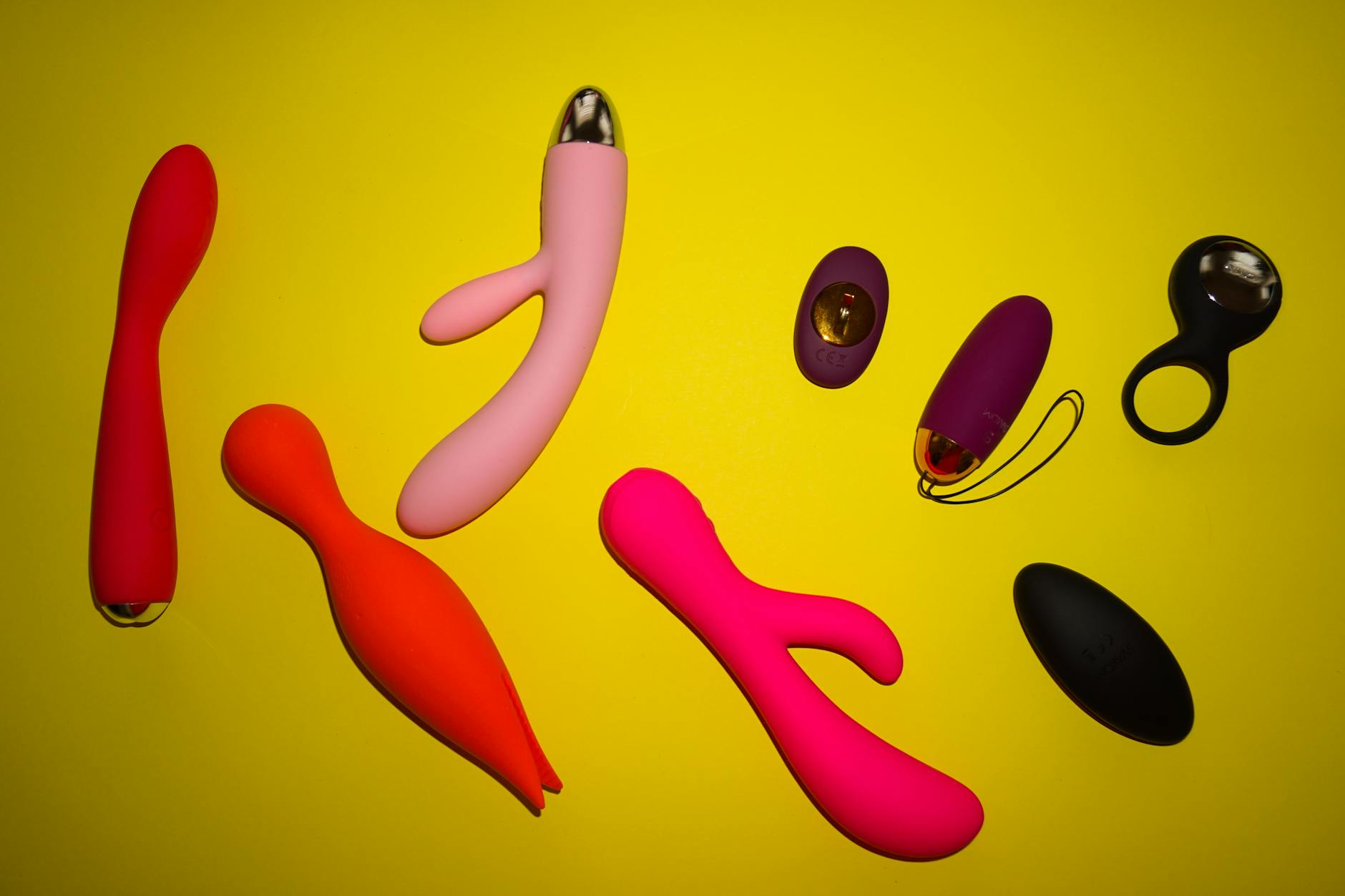
Photo by FounderTips on Pexels
The mental game when pleasure is coming back slowly
Here's what happens around week two or three. You start to feel something again. Not a full orgasm yet. Maybe just a little spark when the suction starts. A tiny surge of responsiveness. And then you notice the pressure.
The pressure is the story you're telling yourself that you should be experiencing more. That something is still wrong. That this should be faster.
It won't be faster. Antidepressants are doing their job. Your nervous system is adapting slowly. A lemon clitoral vibrator is helping wake things up. But you can't accelerate neurochemistry through willpower.
Mentally, the reframe that helps is this: sensation is returning. You're not broken. Your brain chemistry is just more complex right now, and that's okay. The goal isn't to feel like you did before medication. The goal is to feel like yourself, on medication, which is a different baseline.
If you have a partner, this is also a moment to talk. Not during sex, not when you're frustrated. Just clearly: "My medication is affecting sensation. I'm working on rebuilding it. Here's what helps me. Here's what I need from you." Most partners would rather understand than guess.
When sensation returns and what changes
Around the 4 to 6 week mark, a lot of people report a shift. Orgasms become reachable again, though sometimes they feel different. Quieter. Less explosive. More internal.
That's normal. Your nervous system has recalibrated around the medication. That's actually the new normal, and it's still real pleasure. Many people find that lemon vibrators, with their focus on broader stimulation rather than high-frequency vibration, produce longer orgasms that feel more connected to their whole body rather than localized to one point.
Desire usually comes back later than orgasm capacity. That's the dopamine piece taking longer to rebalance. Be patient with that too. Desire often returns once your body proves to itself that pleasure is actually achievable again.
You might also notice that sensation feels different on lower medication doses or higher doses. If your prescriber adjusts your dose for any reason, don't be surprised if you have to recalibrate sensation again. It's a normal part of being on psychiatric medication long-term.
When to loop back to your doctor
If after 8 weeks of consistent work with a lemon vibrator sensation still hasn't returned, tell your prescriber. This might mean:
- Your current medication isn't the right one (and that's fixable)
- You need to add something that counters sexual side effects (some doctors prescribe buspirone or bupropion specifically for this)
- Your dose might be higher than necessary (also worth discussing)
Sexual function isn't a luxury. It's part of mental health. Doctors know this, and good ones want to address it.
If you're also feeling generally numb to other things (food doesn't taste good, you're not laughing, nothing feels fun), that's a signal to check in about medication management overall. Sometimes that emotional flatness and sexual flatness are linked to dose or timing rather than the medication itself.
The bigger picture
Antidepressants and pleasure are not enemies, even though the first few months feel like that. Your psychiatric medication is keeping you alive and stable. A lemon clitoral vibrator is one tool for rebuilding sensation alongside that stability. They can coexist. You deserve both.
The fact that you're thinking about rebuilding pleasure while on medication that works is actually a sign of good mental health. You're not settling. You're not choosing between stability and sensation. You're insisting on both. That's exactly the right move.
People also ask
Does taking an antidepressant definitely affect your sex drive?
Not in everyone. About 40 to 60 percent of people on SSRIs experience some sexual side effect, but that's not universal. Some people notice no change at all. Genetics, dose, timing, and individual neurochemistry all play a role. If you're not experiencing numbness, you're not doing it wrong. If you are, that's also completely normal and addressable.
How long does it take for sensation to come back after starting a lemon vibrator?
Most people report noticing a shift between weeks 3 and 6 with consistent use (3 to 4 times weekly). Full orgasm capacity sometimes takes 8 to 10 weeks. Everyone's nervous system recalibrates at its own pace. Patience here is not optional. Your body is rewiring itself.
Can I use a lemon vibrator while I'm on any type of antidepressant?
Yes. Lemon clitoral vibrators are physically safe with all antidepressants. The suction mechanism doesn't interact with medication. That said, certain medications (SSRIs especially) are more likely to numb sensation, so a lemon vibrator might feel more effective if you're on a class that affects pleasure more noticeably.
Should I tell my prescriber I'm using a lemon vibrator to rebuild sensation?
You don't have to, but your doctor would probably prefer to know you're experiencing sexual side effects so they can help you address it medically if needed. You don't need to describe your methods in detail. Just: "My sexual response has flattened on this medication. I'd like to explore options." Your doctor can then discuss dose adjustments, timing changes, or switching medications.
What if I don't feel pleasure coming back even with a lemon vibrator?
Then you have two conversations to have. One with your prescriber about whether medication adjustment is possible. One with a therapist if emotional numbness is also happening, because sometimes that's connected to depression itself rather than the medication. Sensation and pleasure involve both your nervous system and your emotional system. Both matter.
Can lemon vibrators work better than traditional vibrators when you're numb from antidepressants?
Yes, for many people. Because lemon clitoral vibrators use suction instead of sustained vibration, they stimulate a broader area of nerve endings in a different pattern. For someone whose nervous system is dampened, that distinct pressure-release rhythm often registers more clearly than high-frequency vibration. But everyone's different. Some people get sensation back more reliably with lower-intensity traditional vibrators. It's worth experimenting.
Next steps
Your medication is keeping you stable and alive. That's the priority. Sensation and pleasure are secondary, but they matter too. If you're on an antidepressant and notice your sexual response has flattened, start by talking to your doctor. Then, if you want to explore lemon clitoral vibrators as part of rebuilding sensation, you have options.
You don't have to choose between mental stability and sexual pleasure. With time, the right tools, and patience with the process, you can have both.
If you want to talk more about rebuilding intimacy while managing medication side effects, reach out. That's what we're here for.