The difference between vibration and suction, explained
Let's be real: most people think vibrators vibrate. That's the whole name. But lemon vibrators do something different. They use air-pulse suction instead of traditional oscillation. That distinction isn't academic. It changes how the toy interacts with tissue, what sensations register in your nervous system, and whether you can use it comfortably for extended periods.
Here's the simple version: traditional vibrators move back and forth at high speed (sometimes 3,000 to 10,000 Hz). Lemon clitoral vibrators create gentle suction pulses that rhythmically draw tissue into a chamber. Same outcome (orgasm). Completely different mechanism (air pressure versus mechanical friction).
Why air-pulse suction is gentler on sensitive tissue
Your clitoris has approximately 8,000 nerve endings concentrated in a tiny area. That density is why a vibration pattern that feels amazing on your arm feels overwhelming on that specific spot. Traditional vibrators can create a sensation of numbing or overstimulation because the high-frequency buzz essentially fatigues nerve receptors through continuous stimulation.
Air-pulse suction works differently. Instead of hammering the same nerves repeatedly, it creates a rhythmic pulse of pressure that engages a broader sensory pattern. Your nervous system interprets this as a wave rather than a jackhammer. For people with vulvas who experience numbness from traditional vibrators, or who have chronically sensitive tissue, that difference can be the bridge between uncomfortable and transformative.
The suction also distributes pressure more evenly. A vibrating tip creates point-contact stimulation. A suction cup creates circumferential pressure. That means you're not concentrating all the force on one spot. Your tissue gets stimulated without being assaulted.
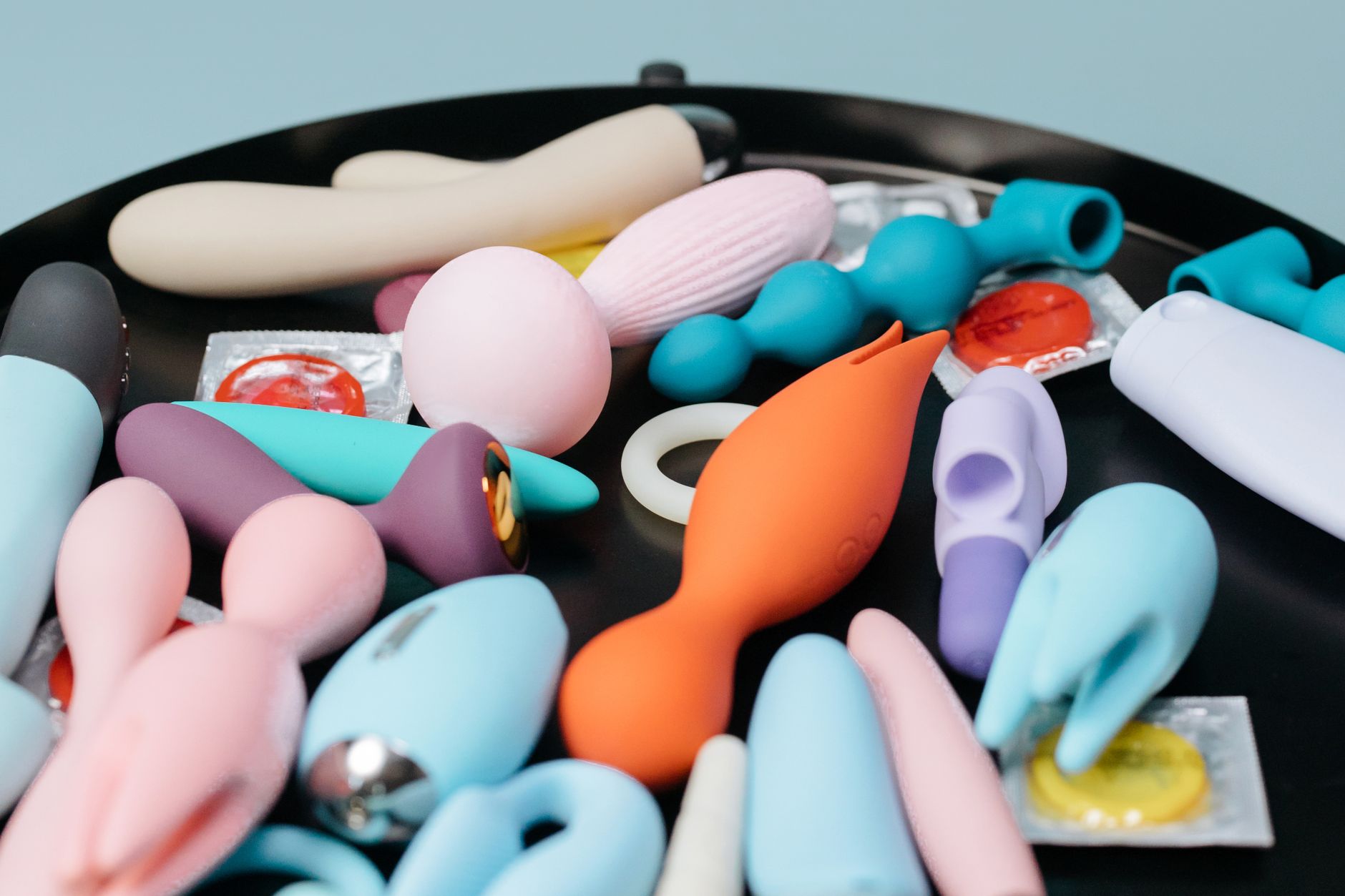
Photo by cottonbro studio on Pexels
Recovery and endurance
One of the overlooked benefits of air-pulse lemon vibrators is that you can use them longer without tissue fatigue. With traditional vibrators, most people hit a ceiling around 10-15 minutes of continuous use before sensation starts to dull. Your nerve receptors literally adapt to the stimulus and stop firing as readily.
Air-pulse suction extends that window because the pressure pattern changes slightly with each pulse. There's rhythmic variation built in. That prevents the nervous system from habituating as quickly. I've had clients report using lemon vibrators for 20, 30, even 40 minutes without numbness or discomfort. That's not because the toy is weaker. It's because the mechanism doesn't fatigue the tissue.
If you're someone who masturbates regularly or who has used traditional vibrators to the point of temporary desensitization, this matters. You get a longer experience per session and you're less likely to need recovery time before your next one.
The sensation quality is genuinely different
I want to be clear about something: "gentler" doesn't mean "weaker." Lemon vibrators are not toys for people who want less stimulation. They're toys for people who want different stimulation.
The sensation of suction is often described as deeper, more focused, and more enveloping than vibration. Because the suction creates a pulling sensation rather than a buzzing one, it can feel like more direct contact with the internal structures of the clitoris (the wings and bulbs that extend internally). For many people, especially those who prefer broader, more sustained sensation to rapid buzzing, this registers as more intense, not less.
The rhythm patterns also matter. The Lem vibrator, for example, offers multiple intensity levels and pulsing patterns. You can start with a gentle rhythm and build to something much more intense. Because you're not fighting against mechanical buzz fatigue, you can actually feel the progression from light to intense without numbing out midway through.
Tissue health over time
Here's what the research suggests but what most sex toy companies won't say explicitly: repeated use of high-frequency vibrators can contribute to temporary nerve desensitization and, in rare cases, chronic numbness in that area.
That doesn't mean vibrators are bad. It means sustained, repetitive mechanical friction at high speeds can accumulate microtrauma. Air-pulse toys minimize this because they're not creating continuous friction. The tissue isn't being abraded. The sensation is created through pressure waves, not mechanical oscillation.
If you've used traditional vibrators and noticed that your sensitivity has shifted over months or years, switching to lemon clitoral vibrators (or a tool like the Lem vibrator) can sometimes restore sensation. It's not instantaneous, but many people report that switching mechanisms gives their nervous system a chance to reset.
This is especially relevant if you're someone who masturbates multiple times per week or who relies on vibration for partnered sex. The tissue gets a different kind of stimulus, which can prevent the adaptation that happens with one consistent tool.
The hydration factor
One more biomechanical truth: suction actually works better with a little moisture on the tissue. Vibrators work fine with or without lubrication (though lube always helps with comfort). Suction vibrators, including lemon clitoral vibrators, actually create a better seal and a more satisfying sensation when there's a thin layer of moisture.
For people whose bodies produce less natural lubrication (whether from hormonal changes, medication, stress, or just individual variation), this can be a benefit. A bit of water-based lube gives the toy something to work with. The seal improves. The sensation improves. You're not fighting against dryness.
Noise and discretion
Air-pulse suction is significantly quieter than traditional vibration. A standard vibrator can reach 60-80 decibels at full speed. Many lemon suction vibrators operate at 40-50 decibels on the highest setting. That's roughly the sound of a quiet conversation versus a vacuum cleaner.
If you live with roommates, have thin walls, or simply prefer privacy and discretion, this is worth factoring in. You can use the toy without broadcasting it to everyone within earshot.
How to use lemon vibrators effectively
If you're new to air-pulse suction, a few practices help:
Start at lower intensity. The sensation is concentrated even at gentler settings, so begin low and increase. Your nervous system will communicate what feels good.
Use a small amount of water-based lubricant. This improves the seal and makes the sensation more consistent.
Experiment with positioning. Some people prefer direct contact over the clitoral head. Others prefer stimulating the side of the clitoris or positioning the suction cup to include the surrounding vulva. The lemon vibrators work across all these positions.
Try different patterns. If one rhythm doesn't work, try another. The patterns are designed to create variety, so switching every 30 seconds or so can actually intensify sensation rather than becoming monotonous.
Take breaks if you're exploring for extended periods. Even with air-pulse suction, 30-45 minutes is a reasonable upper limit before taking a rest. Your nervous system benefits from recovery time.
FAQ: Air-Pulse Lemon Vibrators and Sensitive Tissue
Can lemon vibrators cause numbness like traditional vibrators do?
Numbness is much less common with air-pulse suction, but it's still possible if you use the toy continuously at high intensity for hours. The mechanism is gentler, so the threshold is higher. Most people can use a lemon clitoral vibrator for 30-45 minutes without any numbness. If you're someone who's experienced desensitization with traditional vibrators, switching to lemon suction often solves the problem.
Why do lemon vibrators feel more intense even though they're quieter?
Quiet doesn't mean weak. The air-pulse mechanism concentrates the stimulation differently. Instead of a broad buzz across the tissue, you get rhythmic pulses that can feel more direct. Many people experience lemon vibrators as more intense because the sensation is more focused, not because of raw power output. Intensity is subjective and depends on how your nervous system interprets the stimulus.
Are lemon vibrators better for partners or solo use?
Both. The quiet operation and smaller profile make them discreet for partnered use. The extended endurance and sensation quality make them excellent for solo exploration. Some couples prefer lemon suction vibrators specifically because the sensation is less overwhelming and they can incorporate it into partnered sex without the numbness that sometimes comes with traditional vibrators against sensitive tissue.
How does air-pulse suction compare to rabbits or wand vibrators?
Wand vibrators deliver broad, deep vibration across a larger surface area. Rabbits combine internal and external stimulation. Lemon clitoral vibrators focus exclusively on the external clitoris with air-pulse pressure. Each has advantages depending on what sensation you're seeking. Many people use more than one tool for variety.
What if I don't feel anything with a lemon vibrator on the first try?
This is common and doesn't mean the toy isn't for you. The sensation is genuinely different from vibration, so your nervous system might need a moment to interpret it. Try using it over several sessions at different intensity levels. Hydrate the area lightly with water-based lube. Explore positioning. Most people who don't click on the first try find that they're simply learning a new sensory language, and that second or third session shifts things dramatically.
Can lemon vibrators be used during partnered sex?
Yes. Because lemon clitoral vibrators are quieter, more compact, and create a different sensation profile, many couples integrate them into partnered sex. The suction sensation can feel very different from the sensations your partner provides, which creates variety. Some people use them during penetration. Others use them before or after. The gentler mechanism also means less risk of overstimulation if both people are working the same area.
What comes next
If you've been frustrated with traditional vibrators or noticed numbness creeping in over time, lemon vibrators offer a genuine alternative. The air-pulse suction mechanism isn't a gimmick. It's a different biomechanical approach that works better for many nervous systems, especially those with sensitive tissue.
The best way to understand whether lemon clitoral vibrators work for you is to try one. Most of our customers who switch from traditional vibrators either stick with the switch or develop a preference for alternating between both tools. Your pleasure deserves tools that work with your body, not against it.
Have questions about which lemon vibrator might be right for you? We're here to help. Get in touch at /contact, or read more about choosing the right clitoral vibrator in our buying guide.