Let's talk about the thing nobody prepares you for
Your body just grew a human. Everything from your ribs to your pelvic floor has stretched, swollen, bled, and now it's supposed to heal while you're also awake at 3 a.m. with no sleep. So the idea of pleasure feels less like a priority and more like science fiction.
But here's the real thing: pleasure during recovery isn't selfish. It's actually part of healing. Orgasms increase blood flow, reduce stress hormones, and help rebuild neural pathways that birth trauma can interrupt. The problem is that most vibrators are designed for tissue that isn't tender, inflamed, or still knitting itself back together.
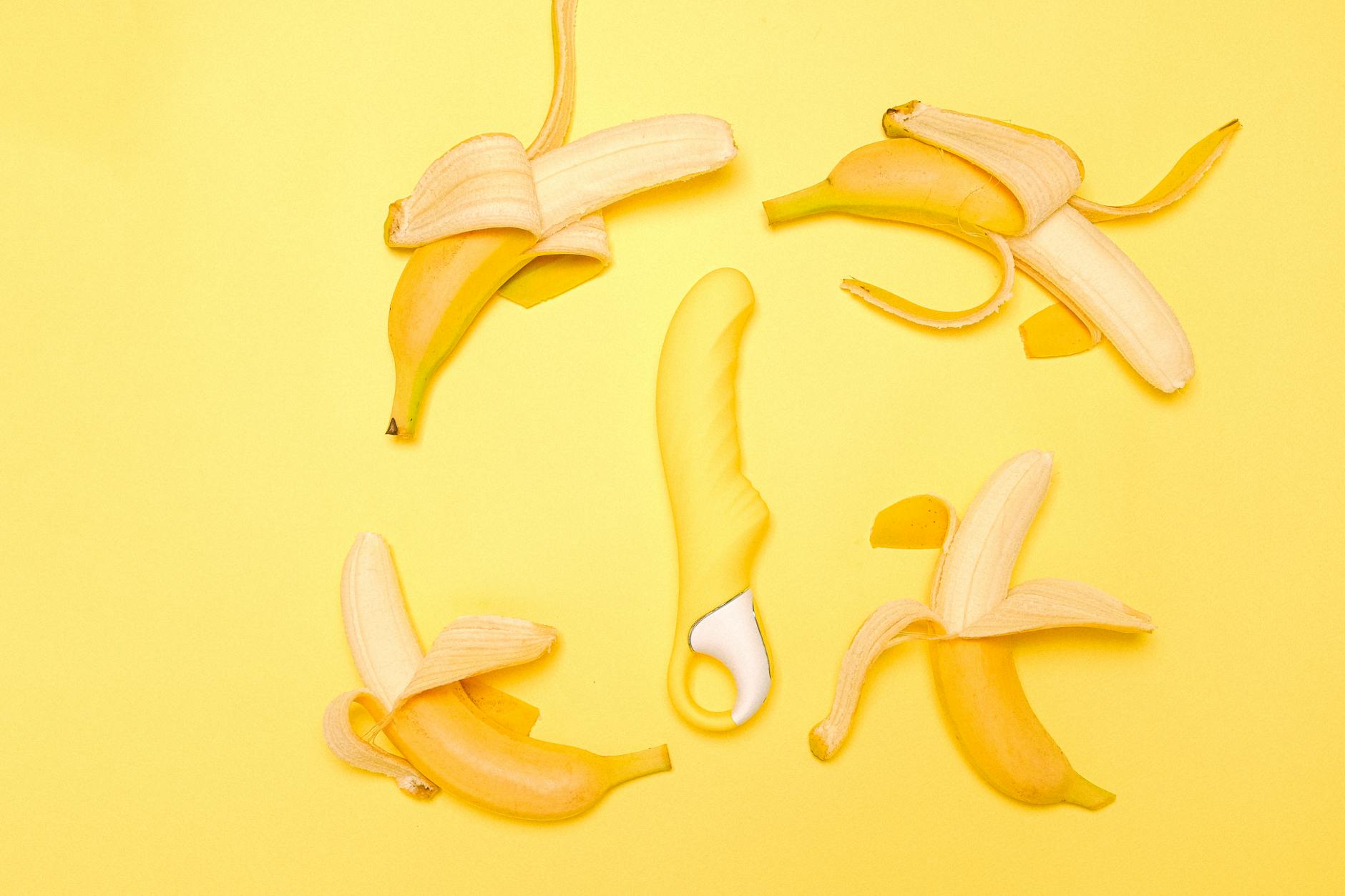
That's where a lemon vibrator (or suction-style clitoral vibrator in general) changes everything. And I'm going to walk you through exactly how to use one safely and effectively during postpartum recovery.
When is it actually safe to restart
First, the timeline. Most gynecologists clear vaginal penetration at six weeks postpartum. External stimulation? That can happen earlier, usually around four to six weeks, depending on whether you had tears, episiotomy, or cesarean delivery.
But "cleared" doesn't mean "ready." Your tissue is still rebuilding collagen, swelling is still present, and nerve sensitivity is heightened. The clearance from your doctor means infection risk is lower, not that pleasure is pain-free.
If you had a fourth-degree tear, extensive stitching, or significant perineal trauma, I'd add another two weeks minimum to that timeline. Listen to your body more than the calendar. If it hurts, it's not time yet.
The beauty of starting with a lemon clitoral vibrator instead of your fingers or a traditional vibrator is control. Suction stimulation is gentler on inflamed tissue because it disperses pressure across a broader surface area rather than concentrating it on one point. That matters when your skin is still learning how to feel normal again.
Why suction works better than regular vibration for healing tissue
Let me break down the physics of how a lemon vibrator (or any clitoral suction toy) actually works on sensitive postpartum tissue.
Traditional vibrators rely on direct friction. The motors oscillate at different speeds, and that vibration travels through silicone into your clitoris. For tissue that's already tender, irritated, or swollen, that can feel like someone's tapping a bruise. It's not necessarily painful, but it's not pleasant either.
A lemon suction vibrator works differently. It creates a gentle seal around the clitoral area and uses rhythmic suction (usually in combination with vibration) to stimulate. This disperses the sensation across the whole tissue region instead of creating a concentrated point of stimulation. The result? Much less intensity, much more comfort, and paradoxically, often better orgasms because the nervous system isn't in defense mode trying to protect sore tissue.
During postpartum recovery, your clitoris is often swollen. That swelling actually makes suction work even better because the seal creates better contact without requiring any additional pressure from you. You're literally just allowing the device to do the work while your tissue heals.
Also, suction-style lemon vibrators allow for adjustable intensity in ways that matter for sensitive tissue. You can start at pattern one or two and stay there for weeks if needed. Traditional vibrators don't give you that same granular control.
How to physically prepare before using one
Three practical steps before you even turn it on.
First, make sure you're genuinely relaxed. And I don't mean "not thinking about the dishes." I mean physically relaxed. Pelvic floor tension makes everything worse during recovery. If you've been doing pelvic floor physical therapy, you know the difference between Kegels (contracting the muscles) and relaxing them fully. Before using any toy, especially during recovery, spend two minutes doing nothing but releasing that tension. Deep breaths. Let your pelvic floor be completely soft.
Second, use lubrication even if you don't think you need it. Postpartum bodies often have less natural lubrication for months because estrogen hasn't fully rebounded if you're breastfeeding. Water-based lube isn't about stimulation; it's about protection. A thin layer of lube reduces friction between the toy and your healing tissue. It's non-negotiable.
Third, choose a time when you're genuinely alone and have zero time pressure. Rushing triggers tension. Knowing someone could walk in triggers tension. Post-recovery pleasure isn't something to fit into a ten-minute window. Budget thirty to forty-five minutes, even if you only use the device for five of them.
The actual method: starting slow with a lemon clitoral vibrator
Okay, you're relaxed, lubricated, and private. Here's how to actually use the device.
Start with the device on the absolute lowest setting. Most quality lemon vibrators have six to eight patterns; begin with pattern one. This is not the setting for pleasure yet. This is the setting for your tissue to say "yes, this is okay."
Apply the device gently to the external clitoral area, not directly on the clitoris itself. The hood and surrounding tissue can handle stimulation earlier in recovery than the clitoral head. Let the suction do the work. You should feel almost no pressure from your hand. The device's seal is what matters, not any additional force.
Stay at this low setting for five to ten minutes. This first session is entirely about reintroduction, not orgasm. Your nervous system is learning that this sensation is safe. Your tissue is getting increased blood flow. You might not feel much, and that's completely fine.
If at any point it hurts, stop. Not "this is uncomfortable"; I mean actual pain. Discomfort is normal during recovery. Pain means something is still too inflamed or sensitive.
After three to five sessions at pattern one, you can experiment with pattern two or three. Progress is weeks, not days. There's zero prize for moving faster.
When you do feel ready to increase, move up one pattern at a time and stay there for at least a few sessions. This gives your tissue time to adapt without overwhelming it.
The emotional layer that nobody talks about
Using a device during postpartum recovery does something unexpected: it reconnects you to your body as a source of pleasure, not just function.
For months before birth, your body was about production. Growing a baby. Then birth was about that body doing the most intense work it will ever do. Then recovery is about your body healing. Pleasure gets filed away as irrelevant.
But it's not. Pleasure is part of your nervous system returning to baseline. It's part of feeling like yourself again, not just like a recovery project.
Some people feel guilty about wanting pleasure during this time. Some feel disconnected from their body and don't know how to rebuild that connection. Some worry that wanting external stimulation means something is wrong with their partnership or their desire.
None of that is true. Solo exploration during recovery is actually one of the healthiest ways to rebuild your relationship with your own pleasure. You're learning what your recovering body wants without any external pressure. That knowledge carries forward into partnered intimacy later.
If you have a partner, you don't have to hide this from them. Some couples find that knowing each other is exploring and healing creates its own kind of intimacy. Others prefer that this time stays solo. Both are fine. What matters is that you're prioritizing your own reconnection to pleasure on your timeline, not on anyone else's.
When to know you're ready to progress beyond suction
You'll feel it. Usually around three to four months postpartum (longer if you had significant tearing), tissue feels mostly back to normal. Swelling is gone. Sensation is more reliable. Orgasms start to feel like they used to, or sometimes even better because you're being intentional about pleasure instead of just reactive.
At that point, you can experiment with other types of clitoral vibrators if you want to. But honestly? Many people who start with a lemon vibrator during recovery just keep using it. Once your nervous system knows this particular sensation feels good, it keeps working beautifully.
The other sign you're ready to progress: if you want to. There's no obligation to move beyond suction. Some people prefer it long-term. The goal isn't to eventually use "more advanced" toys. The goal is to feel good in your own body again.
FAQ: Your postpartum pleasure questions answered
Can I use a lemon vibrator while breastfeeding?
Yes. Using a clitoral vibrator won't affect milk supply, won't transfer anything to your baby, and won't change your hormones in any lasting way. Orgasms do cause temporary oxytocin release (the same hormone involved in milk letdown), but that's actually healthy. Some people find that timing solo sessions after feeding sessions makes practical sense because you're already topless and your breasts are less full and tender.
What if I'm not feeling anything, even on higher patterns?
Postpartum numbness is real and more common than you'd think. Nerve inflammation from birth trauma can persist for months. This doesn't mean something is permanently wrong. It usually means you need more time. Keep sessions relaxed and pressure-free. Eventually, sensation returns. If it hasn't improved by six months, mention it to your gynecologist or pelvic floor physical therapist.
Is it normal to feel nothing, then suddenly feel everything again?
Completely normal. Recovery isn't linear. Inflammation fluctuates. Hormones are in constant flux, especially if you're breastfeeding. You might have a session where sensation is minimal, then two weeks later sensation roars back. This is actually a sign your nervous system is healing.
Can a lemon vibrator cause damage to healing tissue?
Not if you're using it correctly. Low settings on healing tissue, combined with lubrication and breaks between sessions, actually promote healing by increasing blood flow. The risk would be if you used high intensity on very fresh tissue, which you wouldn't. Start low, listen to your body, and progress slowly.
Should I tell my partner I'm using a vibrator during recovery?
That's your call. Some couples are fully transparent about solo exploration. Some keep that private. What matters is that neither choice should feel secretive or shameful. If you feel like you need to hide it, that might signal something worth talking about with your partner separately about pleasure, trust, or intimacy during this transition.
Can I use a lemon vibrator if I had a cesarean?
Yes. Cesarean recovery is different from vaginal birth recovery, and external pleasure is usually cleared even earlier because there's no vaginal tearing. That said, your incision site needs protection. No direct pressure over the incision line, and make sure you're far enough into healing that the incision is sealed and stable. Beyond that, the same rules apply: low intensity, good lube, and patience.
The bottom line
Your body did something extraordinary. It needs time to heal. And part of that healing is rediscovering that your body can also feel good, not just do things. A lemon vibrator, with its gentle suction and adjustable intensity, is one of the most sensitive-tissue-friendly ways to rebuild that connection. Start low, be patient, and trust that pleasure will come back. Because it will.