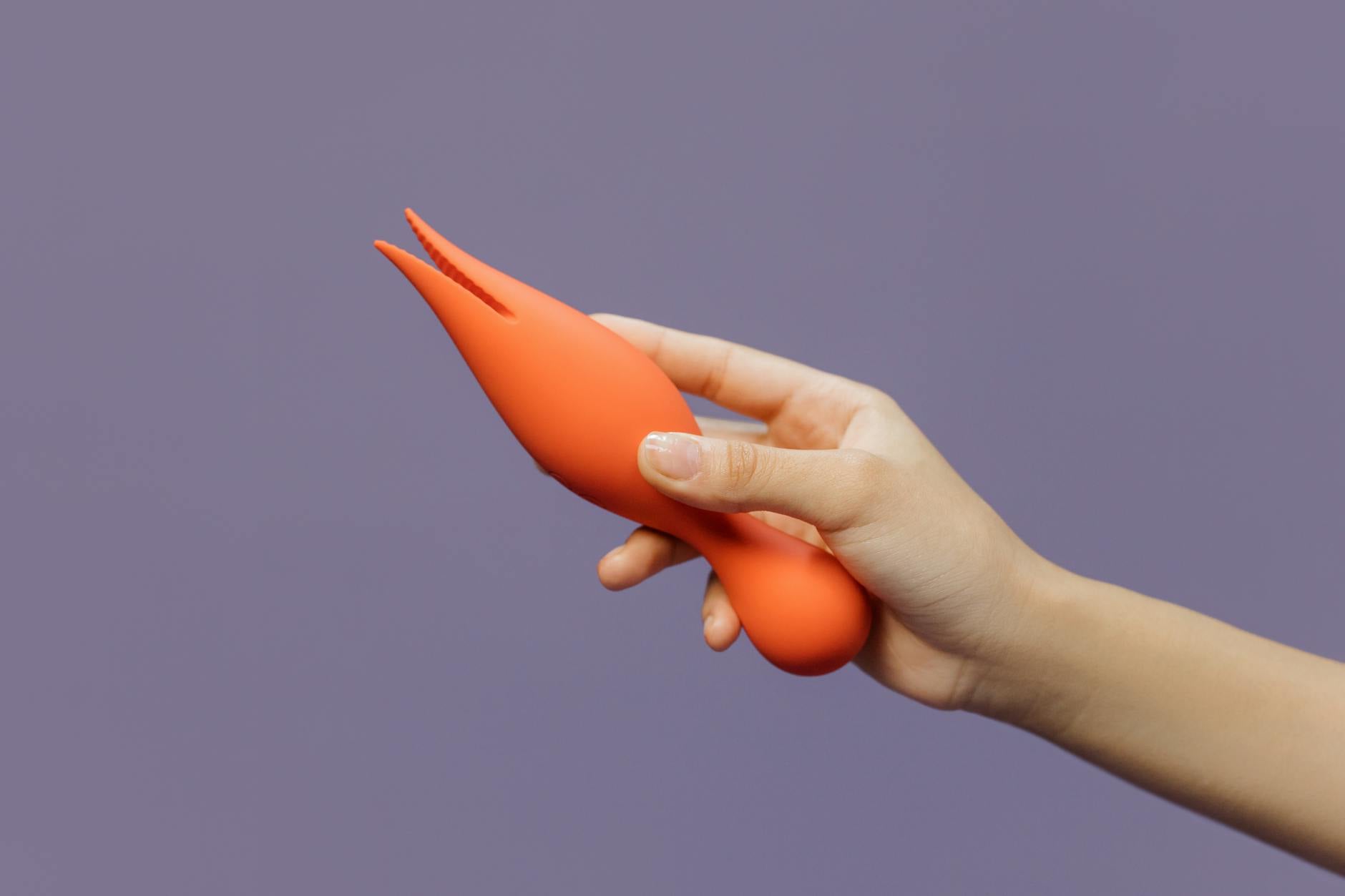
When burnout steals your ability to feel pleasure
Honestly, let's start here. Burnout doesn't just make you tired. It flat-lines dopamine and cortisol goes through the roof, which means your brain literally stops responding to pleasure cues the way it normally does. You could be with a partner you love, using a toy you've enjoyed before, and feel almost nothing. That's not you being broken. That's stress doing what stress does: hijacking the neural circuits that carry desire.
The reason this matters is that most people interpret muted sensation as a relationship problem or a body problem when it's actually a nervous system problem. The good news: it's fixable. And lemon vibrators and clitoral suction toys are, weirdly, one of the best tools for rewiring those pathways back online.
How burnout actually dampens sensation
When you're in chronic stress, three things happen in your brain that directly tank pleasure:
First, your prefrontal cortex, the part responsible for desire and decision-making, goes quiet. Your amygdala, the threat-detection system, gets louder. You're essentially in a low-grade fight-or-flight state all the time, which means your body is in protect mode, not explore mode.
Second, dopamine drops. Dopamine isn't just the pleasure chemical. It's also motivation, anticipation, and the signal that tells your body something good is happening. Without enough of it, stimulation feels hollow.
Third, your pelvic floor tightens. Chronic tension lives in your hips and pelvic floor. A clenched pelvic floor reduces blood flow and nerve sensitivity to the clitoris. You can see how this compounds: stress makes you tense, tension reduces sensation, and reduced sensation feels like proof that pleasure is gone. It's not gone. It's blocked.
Why lemon vibrators work differently for muted sensation
Unlike traditional vibrators, which rely on friction and intensity, lemon clitoral vibrators use suction and gentle pulsing. Here's why that matters when sensation is already dampened.
Suction works by creating a gentle seal and release around the clitoris rather than stimulating through pressure. This activates different nerve pathways than the ones stress has been overusing. You're essentially routing around the numbed-out circuits and waking up dormant ones.
Second, because lemon adult toys operate at lower intensities than traditional vibrators, they don't require your nervous system to be highly aroused to feel something. That's critical. When you're burned out, your arousal threshold is sky-high. A gentle suction toy can register as pleasure even when your baseline sensitivity is low. You're meeting your body where it actually is, not where it used to be.
Third, the rhythmic nature of the Lem's pattern doesn't demand performance from you. Friction-based toys often require engagement and movement to feel good. Suction toys deliver sensation without that labor, which matters when your nervous system is already exhausted from managing stress.
The reset protocol: how to reintroduce sensation safely
If burnout has flattened your pleasure response, jumping straight back into what used to work almost always backfires. You'll feel nothing, blame the toy, and stop trying. Instead, this is a slow reset.
Week one: Sensation without arousal. Spend three to five minutes, maybe twice a week, using your lemon clitoral vibrator in a low-pressure setting (pattern 1 or 2) with zero expectation of arousal or orgasm. The goal here is just noticing sensation. Does it tingle? Does it feel warm? Does it shift anything emotionally? You're just gathering data. No performance. No orgasm goal.
Week two: Add presence. Same frequency, same low settings, but now pay attention to breath. Breathe in for four counts, out for six. This starts waking up your parasympathetic nervous system, the part responsible for rest and relaxation. Sounds weird, but this is how you signal to your body that it's safe to feel things again.
Week three: Gradual intensity. If sensation is starting to register, you might bump to pattern 2 or 3. Still no orgasm goal. Notice what feels different from week one. This builds momentum without creating pressure.
Week four onward: Follow what feels good. By now, most people feel a noticeable shift. Not necessarily explosive pleasure, but genuine sensation. Let that guide you. Some days you'll want five minutes of gentle suction. Other days you might engage more deeply. Both are fine.
The whole point of this protocol is that you're rewiring your brain's association between stimulation and pleasure without the shame or frustration of trying to force an old pattern that stress has disrupted.
The partner conversation, if there is one
If you're in a relationship, burnout-dimmed sensation often comes with unspoken frustration on both sides. Your partner might interpret muted response as lack of interest in them. You might interpret their normal desire as pressure. Both interpretations are wrong, and both need naming.
Here's what helps: say this out loud. "My burnout isn't about you or how I feel about you. It's about my nervous system being stuck in protection mode. I'm going to spend a few weeks reconnecting with my own sensation, and that's actually going to help us both." Then, invite them into that timeline without pressure. Some partners benefit from understanding the neuroscience (stress dampens dopamine, which dampens arousal). Others just need reassurance that you haven't lost desire, only access to it.
If you're using lemon vibrators or a lemon sucker solo as part of this reset, that's not a rejection of your partner. It's recalibration. In fact, most couples report better connection once sensation starts returning because now you're genuinely present instead of performing.
What not to do (common mistakes)
Don't jump to the strongest settings hoping intensity will cut through the numbness. It won't. It'll just frustrate you more. Start gentle. Let sensation layer in gradually.
Don't wait for spontaneous arousal to return before you try again. Burnout has broken that spontaneity. You have to create the conditions for arousal by practicing sensation first, independently of whether you feel turned on. Arousal follows sensation in this scenario, not the other way around.
Don't treat this as a sprint to orgasm. The entire reset is compromised the moment you make cumming the goal. You're not trying to have an orgasm. You're trying to remember what pleasure feels like when your nervous system isn't in threat mode.
When burnout lifts but sensation still lags
Here's the frustrating part: your stress level can drop and your job situation can improve, but your pleasure pathways sometimes stay offline for weeks or months longer. That's normal. Neuroplasticity takes time. Dopamine production doesn't instantly rebound when your schedule does.
If you're a few months out from the acute burnout and sensation is still muted, check in with three things. First, sleep. If you're still sleep-deprived even though work has eased, your dopamine won't recover. Second, physical movement. Not performance exercise, just 15 minutes of walking or stretching that helps metabolize cortisol. Third, if nothing shifts in another month, consider talking to your doctor. Sometimes persistent numbness signals depression that needs more support than self-care can provide.
For most people using lemon clitoral vibrators as part of this gentle reset, sensation starts returning within three to six weeks. That's not coincidence. It's what happens when you stop demanding intensity and start meeting your nervous system where it actually is.
People also ask
Why does burnout specifically reduce sensation in the clitoris?
The clitoris is densely innervated, meaning it has a huge concentration of nerve endings. It's also highly dependent on blood flow and parasympathetic activation (the relaxed state). When you're chronically stressed, your sympathetic nervous system is dominant, which constricts blood vessels and keeps you in high alert. Reduced blood flow means reduced sensation. It's not that the nerves are damaged. They're just not getting the chemical and vascular support they need to fire. Gentle stimulation like lemon suction toys actually help restore that blood flow over time.
Can I use lemon vibrators while still in active burnout, or do I need to recover first?
You can use them while still in burnout. In fact, many people find that incorporating gentle sensation practice is part of the recovery process. It signals to your nervous system that rest and pleasure are possible, which can actually accelerate stress recovery. The key is setting zero expectations. If you approach it as self-care and nervous system regulation rather than as a performance goal, it works. If you're trying to force an orgasm to prove you're not broken, it backfires. The intention matters hugely.
How long does it typically take to rewire sensation after months of numbness?
Most people report noticing shifts within two to three weeks of consistent, gentle practice. Full restoration usually takes six to twelve weeks, depending on how deep the burnout was and what's changed in your life. If your stressor is still active (you're still in the job that burned you out, the relationship is still chaotic), sensation recovery stalls. You can't fully rewire pleasure pathways while you're still living in the trigger. That's not a character flaw. It's physiology.
Is there a difference between burnout-related numbness and depression-related numbness?
Not always. Burnout often includes depressive symptoms, so the line is blurry. The practical difference: burnout-related numbness usually improves relatively quickly once stressors decrease and you're sleeping better. Depression-related numbness can persist even when life circumstances improve. If you've been using gentle practices with lemon clitoral vibrators for eight weeks and nothing has shifted, or if you're struggling with persistent low mood, exhaustion, or hopelessness beyond the numbness, talk to a therapist or doctor. The fixes aren't the same.
Can I use lemon vibrators with a partner as part of the reset, or should I do this solo first?
Both approaches work, but the order matters. If you go straight to partnered use, you're adding performance pressure and the need to coordinate with someone else's arousal, which defeats the reset. Solo practice first gives your nervous system a chance to remember what sensation feels like without external expectations. Once you're noticing genuine sensation changes, partnered use can deepen the experience. Many couples find that reintroducing lemon adult toys together after a solo reset builds trust and novelty without the old patterns.
What if lemon vibrators feel uncomfortable after weeks of use?
That usually signals that your nervous system is still in high alert. Discomfort during gentle stimulation often means the pelvic floor is too tight or your body isn't reading the sensation as safe yet. Pause for a few days. When you come back, try even lower settings and focus on breath first. You might also benefit from some gentle pelvic floor stretching or a few sessions with a pelvic floor physical therapist. Discomfort isn't a sign that lemon suction toys don't work for you. It's information that your nervous system needs more time or more support.
The path forward
Burnout numbs pleasure because it hijacks the nervous system and starves dopamine. It's not a character flaw or a relationship failure. It's a predictable biological response to chronic stress. And because it's biological, it's reversible. Using lemon vibrators and clitoral suction as part of a deliberate, low-pressure reset gives your nervous system a pathway back to sensation without the shame or performance pressure that usually clouds these conversations. You're not trying to get back to normal. You're trying to remember what pleasure felt like before stress commandeered your entire system. That's work. And it's worth doing.
If you're navigating this and want support beyond what solo practice can offer, that's what we're here for. Reach out to discuss what might help you most.