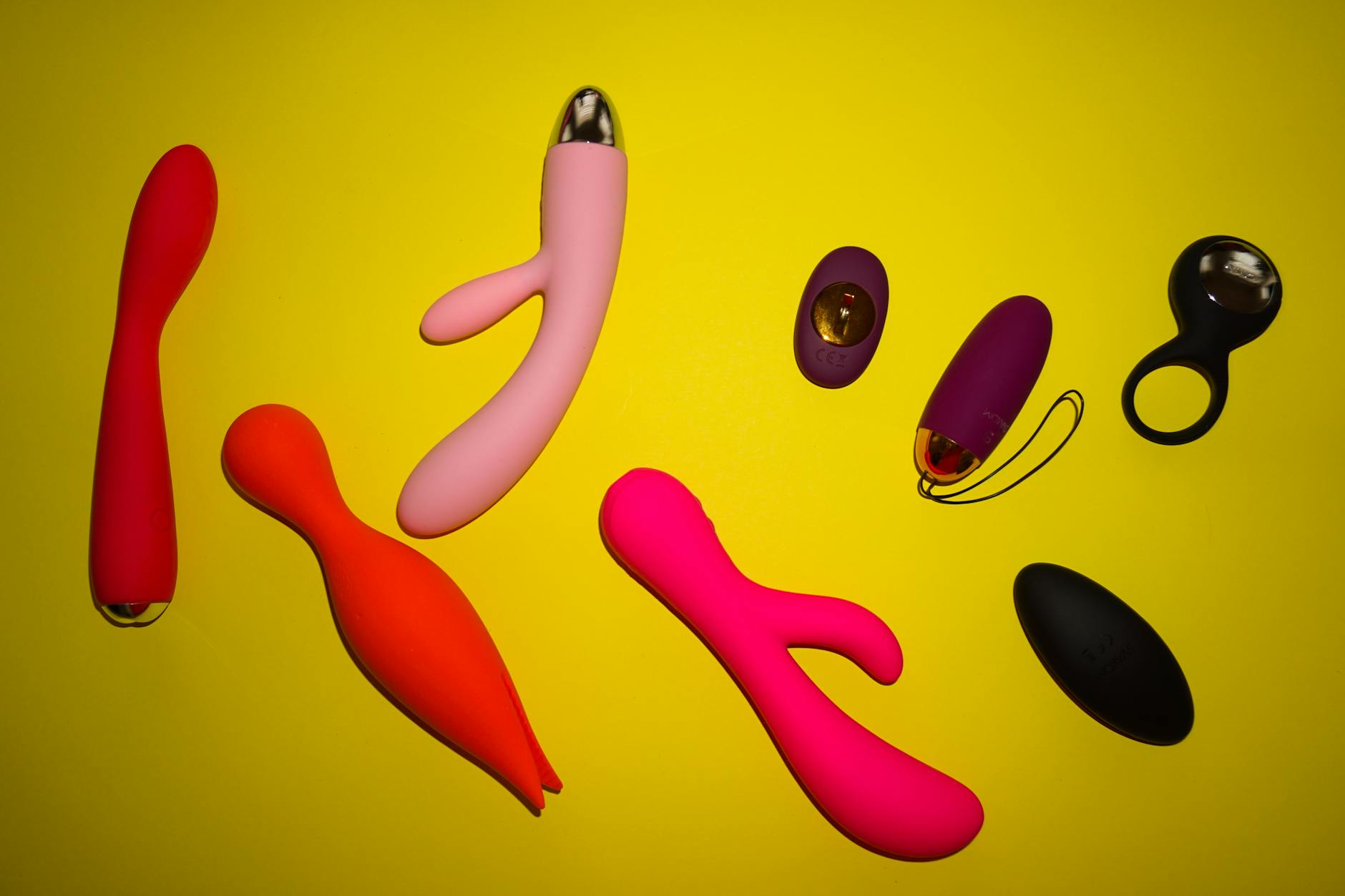
Let's talk about solo time differently
Honestly, most people approach masturbation like they're cramming for an exam. Rush through it, get to the finish line, check it off the list. What if that's the exact opposite of how pleasure actually works?
Building a real solo play routine with a lemon clitoral vibrator isn't about finding the magic button. It's about creating a practice that feels sustainable, that you actually look forward to, and that deepens over time. That takes structure. Which sounds weird when we're talking about pleasure, but structure is what makes something a ritual instead of just a habit.
Why routine matters for pleasure
Your nervous system thrives on predictability. When you have a consistent time and space for solo play, your body learns to relax into it. Arousal happens faster. Sensation feels deeper. You stop performing and start actually experiencing.
There's also the practical part. Regular solo practice teaches you what your body responds to, which makes partnered sex easier (or better if you're going solo). You learn your own arousal patterns, what speeds work for different moods, which sensations build toward something and which ones plateau.
When you use a lemon vibrator consistently, you also notice changes in sensitivity over weeks. Things that felt intense in week one feel manageable in week three. That's not numb. That's your nervous system adapting and asking for subtlety.
Step one. Time and space
Pick a time that's realistic, not inspirational. "Every Sunday morning at dawn" fails if you're not a dawn person. "Tuesday and Friday evening when I have an hour" actually sticks.
Space matters more than people admit. You don't need a special room, but you do need a door that closes. Knowing you won't be interrupted isn't luxurious. It's the difference between your nervous system staying in "alert" mode and actually dropping into relaxation. Your body can't fully respond when part of your brain is listening for footsteps.
This isn't selfish. It's maintenance. You maintain a car. You maintain friendships. You deserve to maintain your own pleasure.
Step two. Set a timer (really)
Give yourself at least 20 minutes minimum. The first 5-10 minutes are transition time. Your body is shifting from whatever you were just doing (emails, dishes, work stress) into something closer to arousal. Anything meaningful happens after that.
If you have 45 minutes, even better. But a rushed 20 minutes done consistently beats a rare two-hour marathon once a month. Consistency trains your nervous system better than intensity.
Step three. Start with sensation over stimulation
Don't turn on the lemon vibrator immediately. Spend 5-10 minutes with your hands first. Light touch on your body. Your neck. Your thighs. Your breasts. The goal isn't arousal yet. It's permission. You're telling your nervous system: this is time for you.
Notice what your skin wants. Some people love firm pressure early. Others need barely-there touch. Neither is better. You're gathering data about your own preferences.
Step four. Introduce the lemon vibrator on lower settings
Pattern 1 or 2. Most lemon clitoral vibrators have 6-8 patterns. Resist the urge to jump to pattern 6 because it feels novel. Your body will show you where it wants to go if you let it.
Start on the outer edges. The clitoris is not just the visible part. It's an internal structure with arms that extend down. Suction-based lemon suckers work differently than vibrators because they create a gentle pulling sensation rather than rapid buzzing. This means you can often spend more time on lower settings before your body asks for more.
Pay attention to where your breath goes. Arousal happens partly in the body and partly in the nervous system. When you notice your breathing change, when you feel heat building, when sensations start cascading from one area to another. That's your body saying "yes, more of that."
Step five. Build patterns, not just intensity
One of the biggest mistakes people make with a lemon vibrator is thinking the goal is to turn up the power. What actually works is layering sensations. You might use pattern 3 for a minute, shift to pattern 5 for 30 seconds, go back to 3, then jump to pattern 7. Variation keeps your nervous system engaged longer. Sticking with one pattern is how you plateau fast.
Some people also benefit from rhythm changes. Spend a minute stationary. Then use slow circular motions. Then stillness. Then faster work. The combination of sensation plus movement plus change keeps your body interested and responsive.
Step six. Recognize the difference between plateau and peak
Plateaus feel like you're stuck. You're at a certain level of arousal and it's not going anywhere. That's actually useful information. Some people plateau before climax and need to shift something. Some people plateau and that's genuinely where they want to stay.
Honestly, not every solo session needs to end in an orgasm. Some of the most useful sessions are ones where you explore, where you try new patterns, where you get to a place of full-body sensation and just stay there. Pressure to finish actually works against you. Your body tenses. Your mind gets goal-focused instead of sensation-focused.
That said, once you know what brings you toward climax, use it. Build that bridge consistently. Your body learns "this is how we get there" and over time, you need less of it.
Step seven. Recovery time
When you finish, don't jump up immediately. Lie still for 5-10 minutes. Let your nervous system settle. Notice the sensations that linger. Notice if your breathing is still elevated. Notice what your body feels like in the aftermath.
This is when you gather the most useful data about what actually worked for you. When you're in the middle of sensation, you're not thinking. After, when you're quiet, you can reflect.
Building frequency that sticks
Start with twice a week. That's realistic for most people and it's frequent enough that your nervous system builds consistency without the pressure of daily practice. After three weeks, notice how things feel different. Arousal might come faster. Sensations might feel richer. You might actually want to do this more often because you're enjoying it.
Don't jump to five times a week just because you can. Slow increases to frequency are more sustainable. Plus, a little scarcity is actually good for desire. You want to anticipate solo time, not treat it like a chore.
When to mix tools
After you've established a baseline routine with your lemon vibrator, you might want to add lubrication, or explore different patterns of stimulation, or involve other parts of your body. Read about lemon vibrators on sensitive tissue if you notice any irritation, but the general rule is simple: add one variable at a time. Change the lube brand, not the toy and the time and the setting simultaneously. That way you actually know what's working.
The long game
Your solo practice will evolve. What turns you on in your 30s might shift by your 40s. That's not loss. That's information. A solid routine gives you a framework to keep exploring rather than just defaulting to "the same thing I've always done."
The other benefit of consistency is honesty. When solo time is sacred and regular, you can't pretend you enjoy things you don't. You can't perform for an imaginary audience. It's just you and sensation, which means you're building a relationship with your own pleasure. That's the opposite of selfish. That's foundational.
FAQ
How often should I use a lemon vibrator for solo play?
Start with twice weekly and adjust based on how your body responds. Consistency matters more than frequency. Two sessions a week done regularly trains your nervous system better than sporadic marathon sessions. If you're interested in how lemon vibrators perform differently as you establish a routine, check out how they work on sensitive tissue as your body adapts over time.
What's the ideal duration for a solo play session with a lemon sucker?
Aim for 20-45 minutes minimum. The first 5-10 minutes are transition time while your body shifts into arousal. Anything meaningful usually happens after that window. A rushed 20-minute session is fine, but anything under 15 minutes often feels frustrating because you're not giving your nervous system enough time to settle.
Can I use a lemon vibrator every day?
Yes, but most people find daily use unnecessary and sometimes counterproductive. Your nervous system benefits from novelty and anticipation. Using a lemon clitoral vibrator 4-5 times weekly often produces better results than daily use. Pay attention to whether you're using it because you actually want to or because it's become reflexive.
Should my solo routine with a lemon vibrator change based on my cycle?
Absolutely. If you menstruate, sensitivity and arousal patterns typically shift across your cycle. Some people find they love intense patterns during their luteal phase but prefer gentler suction during their follicular phase. Track what works when and adjust your routine accordingly. This is one of the biggest advantages of a consistent practice.
What if I feel awkward about scheduling pleasure time?
That awkwardness usually fades within 2-3 weeks of actually doing it. You're not being selfish. You're maintaining your own health and pleasure, which is a foundational act of self-respect. Once you see how it affects your mood, your sleep, your sense of embodiment, the awkwardness typically transforms into protectiveness about the time. You stop asking permission and start defending it.
How do I know if I'm using a lemon vibrator correctly?
If it feels good and your body is responding, you're doing it right. There's no "correct" technique, only what works for your specific anatomy. That's why routine matters. Consistency teaches you your own body better than any guide can. Pay attention to pressure level, duration on each pattern, movement, and how your body shifts between sensations. Your nervous system will tell you if you're on the right track.
Keep exploring
Your solo play routine isn't something you build once and leave alone. It's a practice that evolves as your body, your life, and your desires shift. The structure makes that evolution possible. You've got a framework, and within that framework, you have permission to be curious.
If you're building a routine and want to understand more about how different stimulation approaches work, the guide on lemon vibrators and suction versus regular vibration digs into the mechanics. And if you're wondering how sensations shift across your own body, the piece on perimenopause sensitivity is worth reading even if you're not perimenopausal. It covers tissue changes that happen at any life stage.
Your pleasure practice is one of the few things in life that's entirely yours. Build it intentionally. Protect the time. Trust what your body tells you.