Here's what nobody tells you about desire after 40
Your body hasn't forgotten how to want things. But the speed at which it wakes up? That's changed. And if you're still expecting arousal to hit like it did at 25, you're setting yourself up for frustration that's got nothing to do with your actual capacity for pleasure.
This is especially true when you're working with a lemon vibrator or other clitoral stimulation. These tools are precise. They work best when the tissue is already ready to respond. And readiness takes longer now. That's not a problem. It's just information.
What actually changes in arousal as you age
Let's be specific about the physiology. Estrogen and testosterone both decline gradually after your late 30s and 40s. This affects blood flow to the genitals, which means the clitoris takes longer to engorge and become sensitive. Your brain's dopamine response to sexual cues also shifts. You're not less interested, but interest requires more context, more anticipation, and often more deliberate attention.
The vaginal walls thin slightly, which changes how sensation registers. Many people describe this as needing "more time to warm up" before direct clitoral contact feels good rather than too intense or numb. It's not numbness exactly. It's more like your nervous system needs a longer lead time to recognize pleasure signals as pleasure.
Hormonal shifts from perimenopause or menopause accelerate this timeline further. But this happens to everyone, regardless of whether you're in perimenopause or not. A 42-year-old person with stable hormones still experiences this shift compared to their 28-year-old self.
Why lemon vibrators actually benefit from longer warm-up
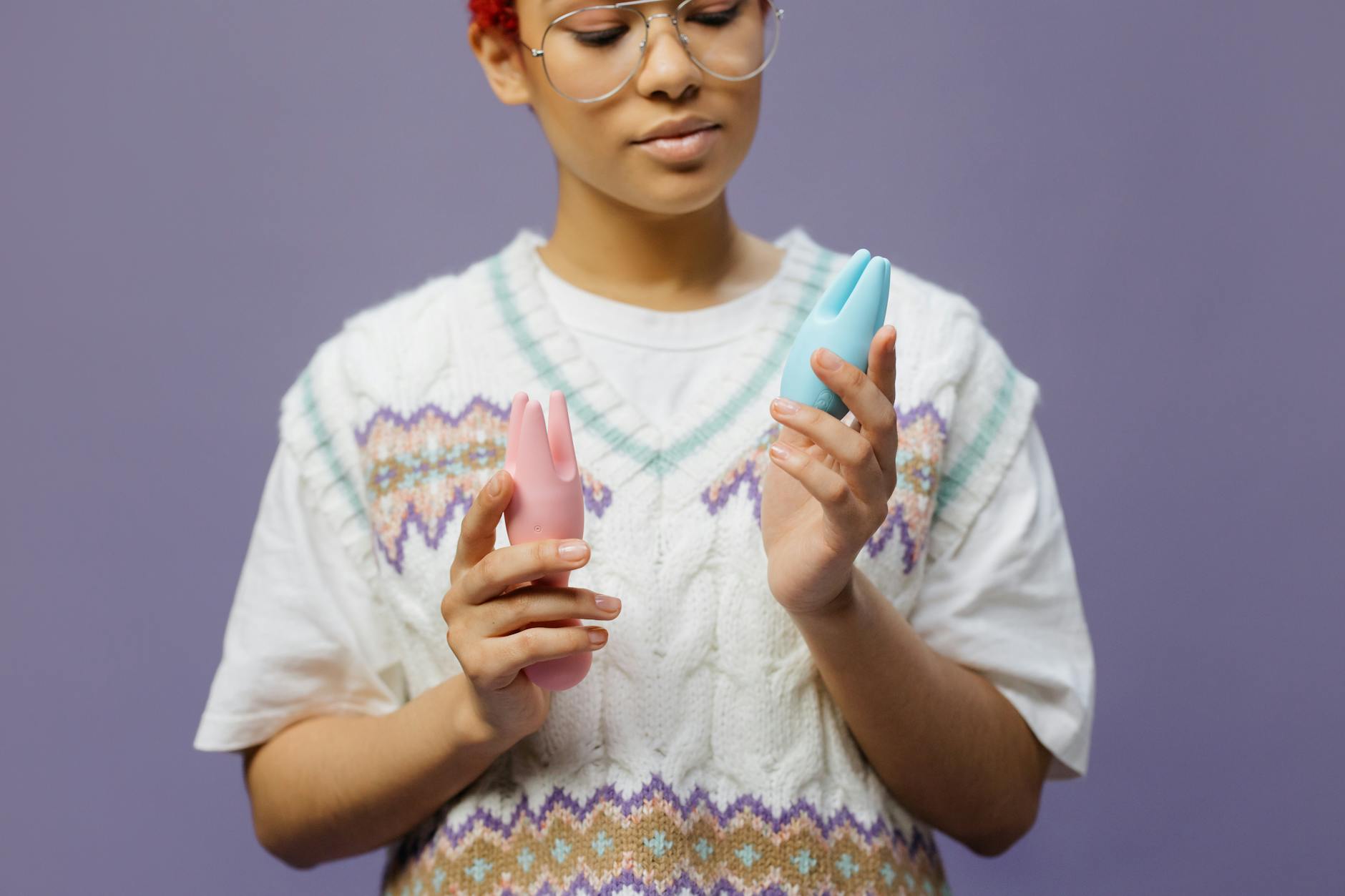
Lemon clitoral vibrators like the ones at My Lems work through suction and pulsing sensation, which is gentler than direct vibration but also more specific. That specificity is an asset once your tissue is ready, but it means there's little room for "warming up" during the stimulation itself. You need to arrive already partially aroused.
This is different from traditional vibrators, which use broad stimulation. You can start on a low setting and gradually build intensity. A lemon suction vibrator works best when you've already told your body it's time to focus on pleasure before you switch it on.
Think of it like this: traditional vibrators are a light switch you can gradually turn up. Lemon vibrators are a precision tool that needs you to already be at the table before you use it.
The timeline shift: what 15 extra minutes actually does
Instead of a 5-minute warm-up leading to orgasm, you're now looking at 15 to 25 minutes. This isn't a problem unless you keep treating it like one.
Here's what those extra minutes do. They give your nervous system time to downregulate from daily stress and lock onto pleasure. They allow blood flow to build gradually, making your clitoris more sensitive and responsive. They create psychological permission, which matters more as you get older because your brain has learned to second-guess its own desire.
Many people over 40 report that rushing through foreplay kills the whole experience. Not because they can't get there, but because getting there requires you to actually be present for the process. The 10-minute coffee-break sexual encounter that worked at 32 genuinely doesn't work at 45.
How to actually build this into your routine
If you're with a partner, this is a conversation, not a complaint. "I need more warm-up time" is completely different from "you're doing it wrong." One is about your body's timeline. The other is blame. Stick with the first one.
Start with touch that has nothing to do with sex. Massage. Kissing. Skin-to-skin contact without goal. This gives your nervous system permission to shift gears without jumping straight to performance mode.
Then move into more direct foreplay, but slower than you think you need. If your instinct is 10 minutes, do 15. If it's 15, do 20. Track what actually works. Most people find there's a sweet spot around 18 to 25 minutes where their body finally says "yes, I'm ready."
Only then introduce your lemon vibrator. Start on the lowest setting and take another 2 to 3 minutes there before turning it up. You're not being inefficient. You're respecting how your body actually works now.
The mental piece matters as much as the physical
Here's the part nobody warns you about: your brain has to actually be on board. After 40, distraction is a bigger blocker than poor blood flow. If you're thinking about a work email or your kid's permission slip or whether you locked the door, your clitoris is going to stay locked down no matter what tool you're using.
This is where the extra warm-up time becomes psychological as well as physical. You're not just waiting for tissues to respond. You're giving your attention time to land on pleasure instead of scattered across everything else.
Some people find it helps to set a specific time for this. Not spontaneous quickies, which can work but require a different skill set. Instead, scheduled time where you know you have 30 or 45 minutes and nothing is going to interrupt. That permission alone changes how your nervous system responds.
What happens if you skip the warm-up
If you go straight to your lemon vibrator without adequate warm-up, here's what usually happens. The suction or pulsing feels too intense or weirdly numb because the tissue isn't engorged yet. You turn it off thinking it's not working for you. Then you give up.
The vibrator hasn't changed. Your body has. And your body needs a different approach now.
This is why understanding this shift is actually empowering. Once you know it's not about the tool or your capacity but about timeline, you can work with your body instead of against it. You can even enjoy the warm-up as part of the experience rather than foreplay drudgery you're rushing through.
The pleasure payoff is worth the adjustment
Here's what I've heard from countless clients after they adjust to this timeline: orgasms feel deeper. More localized. Sometimes more intense than they did when arousal was faster. Because you've actually arrived at pleasure slowly enough to notice it.
You're not cramming sensation into five minutes. You're building it gradually across 20 or 30 minutes. That's a completely different experience, and most people find it's actually more satisfying.
The lemon vibrators at My Lems work particularly well for this because they don't require you to be in a specific headspace or already highly aroused. They work with you at whatever level of readiness you've built through warm-up. Start low. Let sensation build. Trust the process.
FAQ: Warm-Up Time and Lemon Vibrators After 40
Is it normal for arousal to take longer as you get older?
Completely normal. As you age, hormonal fluctuations, blood flow patterns, and nervous system sensitivity all shift. Arousal typically takes 15 to 25 minutes after 40, compared to maybe 5 to 10 minutes in your 20s. This isn't a sign of dysfunction. It's just how bodies work.
Will using a lemon vibrator make warm-up faster?
No. A lemon clitoral vibrator works best when you've already warmed up. These tools are precise and effective but they don't shortcut the arousal process. What they do is provide more specific sensation once you're ready. Think of warm-up as preparation, not something the vibrator does for you.
How do I know when I'm ready for the vibrator?
You'll notice your clitoris feels more sensitive and responsive to touch. Your partner (if you have one) can tell by how your body responds. You might feel a shift in your breathing or mental focus. You don't need a perfect signal. Just try it and notice. If it feels too intense or numb, you likely need more warm-up. If it feels good, you're ready.
Does longer warm-up time mean less spontaneous sex?
Not necessarily. Some people find they love scheduled, planned sessions because the anticipation becomes part of the experience. Others learn to incorporate warm-up into their everyday touch and affection so it's less of a separate phase. Find what works for your relationship and your timeline.
Can I use lube to speed up the warm-up process?
Lube helps with comfort but it doesn't speed up the nervous system's response. You might feel ready physically because there's lubrication, but your clitoris might not be fully engorged yet. Use lube for comfort, not as a shortcut. Water-based lubes work well with lemon vibrators and silicone toys.
What if my partner wants to move faster than I do?
This is a conversation about your bodies, not about desire or attraction. "I need more time to warm up" is factual information. Once they understand this is about your nervous system's timeline, not rejection, most partners adapt easily. Consider talking about this outside the bedroom so you can approach it as a team rather than in the moment when tension is high.
The bottom line
Your body hasn't stopped wanting pleasure. It's just asked for a different approach. Longer warm-up time after 40 is information you can work with, not a problem you need to fix. Lemon clitoral vibrators work with this timeline beautifully once you understand how. Build in the time, stay present, and trust that your pleasure is still there. It just has a different rhythm now.
If you want to explore this further or discuss what tools work best for your body and your timeline, reach out. We're here to help you figure this out.