
Let's talk about the plateau that nobody warns you about
You've been using the same vibrator for five years. It used to work. Now you need it on the highest setting, held at a specific angle, for twice as long, and even then you're not sure if the sensation is real or you're just going through the motions. That's not a personal failure. That's neural adaptation, and it's wildly common.
The problem is that once traditional vibration stops delivering, most people assume their body is broken. It's not. It just needs a different signal.
How traditional vibrators numb you over time
Repetitive stimulation creates habituation. Your clitoral nerves fire over and over to the same rhythm, and your brain stops paying attention. This is the same reason a white noise machine stops sounding loud after a week. Your sensory system is designed to filter out redundant input. When you use the same toy, the same pattern, the same pressure for years, your nervous system gets fluent in that signal and stops treating it as novel information.
You're not losing sensation overall. You're losing sensitivity to that specific input.
And here's the thing: switching to a higher intensity vibrator often backfires. You're still using the same category of stimulation, just turned up. Your nerves have already learned to ignore that signal. Higher just means you're screaming the same thing louder.
Why lemon suction vibrators feel completely different
A lemon clitoral vibrator uses pneumatic suction instead of mechanical vibration. This is crucial because it stimulates the clitoris through a completely different pathway.
Traditional vibrators create rapid directional movement. Suction creates a pulsing pressure change. When a lemon vibrator cups the clitoral head and releases rhythmic suction, it's engaging the same nerve endings as vibration but sending an entirely different message. Your nervous system experiences it as novel stimulation because it is novel stimulation.
Think of it like this: if you've been hearing a smoke alarm every day for a year, you barely notice it anymore. But a doorbell, even if it's the same volume, makes you jump. Your brain recognizes it as new information and pays attention. A lemon suction vibrator is the doorbell. Traditional vibration is the alarm you stopped hearing.
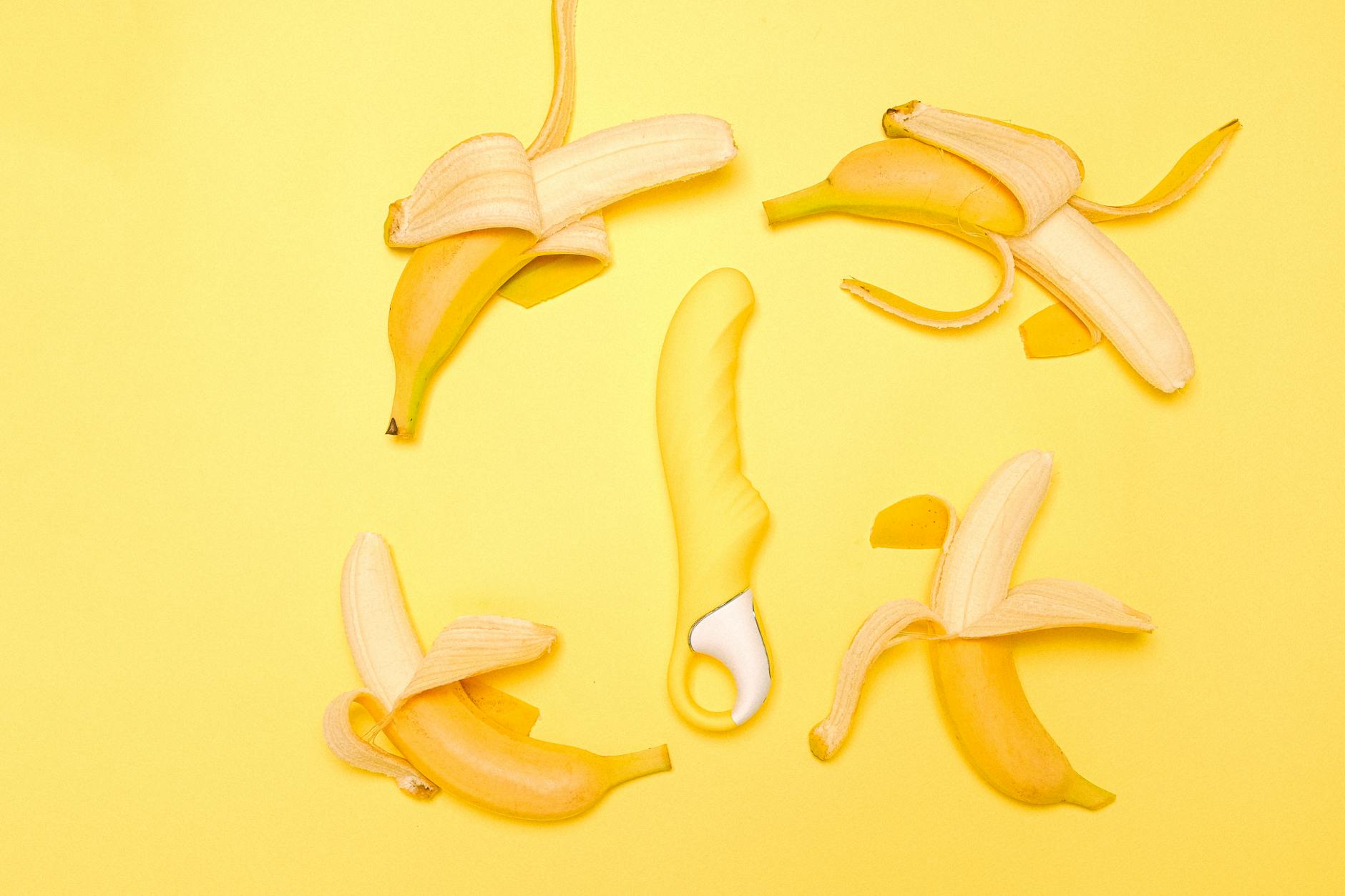
Photo by Anna Shvets on Pexels
The neuroscience piece that actually matters
Your clitoris has roughly 8,000 nerve endings concentrated in a space smaller than a pea. These nerves are sensitive to different types of stimulation: pressure, vibration, texture, temperature, rhythmic pulsing. When you've trained your nervous system to expect vibration at 7,000 Hz, that's what it anticipates. Suction operates at a completely different frequency and sensation class.
Moreover, suction doesn't desensitize the same way vibration does. Studies on sensory adaptation show that varying the type of stimulation throughout a session and across time significantly reduces habituation. Switching from vibration to suction is like changing everything about the input at once. Your nerves perk up.
This isn't magic. It's basic neurology.
What clients actually report when they switch
I work with people navigating pleasure after years of routine use, medication side effects, and age-related sensitivity shifts. The pattern is consistent: after three to five sessions with a lemon vibrator, people notice sensations they thought they'd lost. Not dramatic orgasm intensification necessarily. Just... sensation. Recognition. The feeling that something is happening in their body again.
One client said: "It's like the difference between someone tapping you on the shoulder repeatedly versus someone holding your hand and squeezing. Your body knows something different is happening."
Another: "I switched from a standard vibrator to a lemon suction toy and within two weeks I realized I could feel again. It sounds dramatic, but genuinely I had gotten so used to my old vibrator that I wondered if that was just how I was now."
They weren't broken. They were habituated. And a different category of stimulation woke their nervous system back up.
The practical part: how to use a lemon vibrator for numbness recovery
Start with the gentlest setting. When sensation has flattened, you don't need intensity. You need novelty.
Use it alone first, without the expectation of orgasm. This is important because if you're coming to it with the goal of "fixing" your numbness, you add pressure. And pressure creates tension, which dampens sensation further. Explore instead.
Try longer sessions at lower settings rather than shorter bursts at high intensity. Give your nervous system time to recognize and respond to the new input. Numbness didn't develop overnight. Reawakening doesn't either. But most people see a shift within a few sessions.
Rotate settings and patterns if your lemon vibrator has them. The whole point is novelty. The moment you settle into a rhythm, your nervous system starts habituating again. Variety is literally the antidote.
Why you shouldn't feel broken about this
Habitual numbness is not a reflection of your capacity for pleasure. It's just what happens when stimulation becomes routine. Athletes experience the same thing with training. Musicians experience it with technique. Your nervous system is designed to adapt and filter. That's not a defect; that's how your brain protects you from noise.
The fix is also simple: introduce something different. When you're switching from traditional vibration to lemon suction stimulation, you're not replacing broken hardware. You're giving your nervous system a reason to pay attention again.
If numbness coincided with medication changes, hormonal shifts, or stress, those might compound the issue. But even then, the solution is the same: novelty of sensation can help reawaken your nervous system's responsiveness. When sensation feels muted after stress or burnout, a lemon clitoral vibrator often works because it's so distinctly different from what you've been using.
The science on why suction edges out vibration for numbness
Functional imaging studies show that suction engages different neural pathways than vibration. Traditional vibration primarily activates the dorsal clitoral nerve fibers. Suction activates both dorsal and perineal nerve clusters, plus the accessory pudendal nerve in different ways. It's a more distributed neural response, which means your brain has more to process and react to.
In plain terms: vibration rings a bell in one part of your nervous system. Suction rings bells all over the place.
That distributed activation is exactly what a habituated nervous system needs. You're not just turning up the volume. You're changing the song.
When to try this and when to dig deeper
If you've been using the same vibrator for years and sensation has flattened, a lemon vibrator is a logical next step. Most people see improvement within the first few sessions.
If numbness came on suddenly, or if it's painful rather than just muted, check with a healthcare provider. Sudden loss of sensation can signal something else entirely. Medication side effects, hormonal shifts, or physical tension patterns might need attention beyond toy swapping.
But for the garden variety plateau of "my old vibrator just doesn't work anymore," novelty of stimulation type is often the answer. And lemon suction vibrators are built exactly for that problem.
The realness of starting over
Switching toys after years of the same one can feel weird at first. Unfamiliar sensations sometimes feel less intense before they feel better. That's normal. You're training your nervous system to recognize new input. Stay with it for at least three to five sessions before deciding it isn't working. Habituation takes time to build. It takes time to shift, too.
Your body isn't broken. It just got fluent in one language. A lemon clitoral vibrator is a conversation in a different language. And sometimes that's exactly what wakes you back up.
People also ask
Can numbness from vibrators be permanent?
No. Habituation is reversible. Your nervous system's ability to respond to novel stimulation returns when you change the type of input. If you use a lemon suction vibrator instead of traditional vibration for several weeks, then return to your old toy, you'll likely find you can feel it again. Your sensitivity didn't disappear; your system just stopped prioritizing that signal. Novelty resets that.
How long does it take for a lemon vibrator to feel better than my old toy?
Most people notice increased sensation and responsiveness within two to five sessions. That said, the first time using a suction vibrator can feel strange or even too intense if you're used to gentle vibration. Start on the lowest setting and work up. By the second or third use, many people report that sensation feels clearer and more present.
Should I throw out my old vibrator when I get a lemon suction toy?
Not necessarily. Having multiple toy types in rotation is actually one of the best ways to prevent habituation long-term. Use your old vibrator occasionally, then switch to a lemon clitoral vibrator for a few weeks, then try something else. Variety of stimulation type is how you keep your nervous system engaged over years and years.
Is numbness the same as low libido?
Not quite. Numbness is about sensation and nervous system responsiveness. Low desire is about motivation and interest. You can have a high libido and still experience clitoral numbness from repetitive stimulation. They're different problems. That said, when numbness improves and you can feel again, motivation and desire often follow naturally. It's hard to want sex if you can't feel anything. Restore sensation first.
Do I need a high-end lemon vibrator to break through numbness?
No. A lemon suction vibrator at any price point will deliver the neurological novelty you need. The body doesn't know the difference between expensive and affordable suction. What matters is that suction is different from what you've been using. If budget is tight, any lemon clitoral vibrator will do the job.
What if I try a lemon vibrator and it still doesn't work?
Then numbness might not be about habituation alone. Medication side effects, hormonal changes, pelvic floor tension, or chronic stress can all muffle sensation regardless of toy type. In that case, it's worth talking to a doctor or a pelvic floor physical therapist. But statistically, for people whose numbness coincided with years of the same toy, lemon suction is the fix.
Here's the real truth
Your pleasure isn't broken. Your nervous system just got comfortable. And comfort is the enemy of novelty. The best part is that novelty doesn't require a dramatic intervention. Sometimes it just requires a different toy, a different sensation type, and the willingness to explore like you're starting over. A lemon suction vibrator is literally designed to do exactly that.
If you're curious about making the switch, how lemon vibrators work compared to traditional vibrators is a solid place to start. And if you're nervous about the transition, that's normal. But numbness from routine use responds to a different routine. Give it a chance.
Your body knows how to feel. It just needs something new to feel.