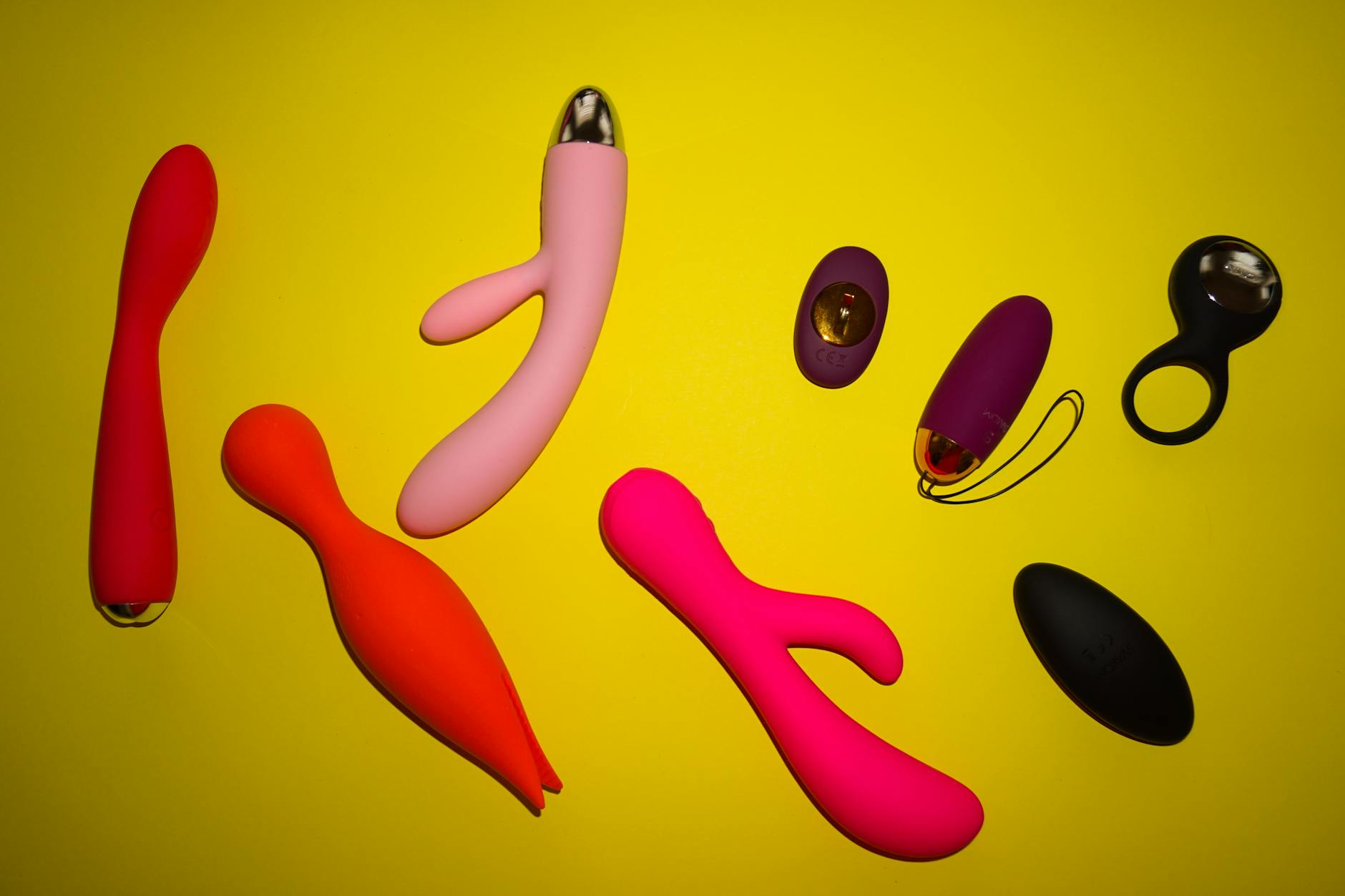
Here's the thing about wand vibrators
They're great. Millions of people have orgasmed with them. But they work by intense, localized vibration on a small point of contact. If your clitoris loves concentrated pressure, a wand is still the move. If you've never felt the difference between that pinpoint sensation and something wider, more enveloping, and less jarring, you're missing a whole category of pleasure.
That's where lemon clitoral vibrators come in. The difference isn't that one is "better" than the other. It's that they stimulate differently. And for many people, that difference is the whole game.
How wand vibrators actually work
A wand delivers rapid vibrations through a firm silicone head, usually cup-shaped or flat. The vibrations transfer directly into the tissue where the head makes contact. This creates a concentrated, high-intensity stimulus that climbs quickly. For some bodies, that rapid escalation is exactly right. For others, it's too much, too fast, or it causes numbness after a while.
Wands are also less forgiving of positioning. You need the head to sit pretty precisely over the most sensitive spots. Move it a quarter inch in the wrong direction and suddenly you've lost the sensation entirely. This can turn pleasure into a geometry puzzle, which is fine if you're patient. It's annoying if you just want to relax.
The other thing wands don't do well is adapt to different tissue sensitivity. If your clitoris is tender, you're dealing with it. If you have vulvovaginal atrophy or recovering tissue (like after birth or hormonal shifts), the vibrations can feel sharp instead of pleasurable.
How lemon vibrators create sensation differently
Lemon clitoral vibrators use air-suction technology. Instead of vibrating against the tissue, they create a gentle pulse of suction that pulls the clitoral tissue up into the opening of the device. The sensation happens across a wider surface area, not just where the toy touches your skin.
This matters more than it sounds. Your clitoris isn't just the visible external part. It's a complex internal structure with nerve pathways that spread across a large area. When you apply pressure in one concentrated spot (like a wand), you're hitting specific nerves. When you use suction, you're engaging the whole region at once.
Think of it like the difference between pressing your finger on a single acupressure point versus gently stretching the whole muscle group. Both create sensation. One is targeted. One is diffuse. The lemon approach is diffuse.
Why wider stimulation changes the orgasm
Because more nerve endings are firing at once, the buildup feels different. Less sharp, more rolling. Instead of a spike that peaks and drops, many people describe lemon vibrator orgasms as broader waves. Some people also find they can have multiple orgasms more easily, because the stimulation doesn't cause the same desensitization that wand vibration does.
There's also a comfort thing. Suction doesn't require the same direct friction on sensitive tissue. If you've been using a wand for years and your clitoris has become less responsive, switching to a lemon vibrator often resets that sensitivity because you're using a completely different mechanism to stimulate.
I've had clients report that switching from wands to clitoral suction toys was like discovering orgasm again, even though they'd been orgasming regularly. The sensation was so different that it felt new. That's not hype. That's a legitimate neurological shift.
The practical advantages for different bodies
If you're dealing with clitoral pain or oversensitivity, a lemon vibrator lets you control intensity through suction strength rather than speed. You can start at the gentlest setting and work up without worrying about sharp vibrations.
If you have a smaller clitoris, suction can actually feel more engaging because the mechanism isn't as dependent on exact positioning. You don't need a specific anatomical shape for it to work.
If you're curious about how lemon vibrators work on sensitive tissue, that's especially true if you're recovering from birth or dealing with tissue changes from hormonal shifts. Suction is gentler on thinner, more fragile tissue than vibration is.
Wand vibrators are still better for people who like intense, fast buildup and need that direct contact to reach orgasm. But if you've never tried the alternative, you don't actually know which you prefer.
How to transition if you're a wand person
The temptation is to expect the same sensation and get frustrated when it doesn't happen. Don't. Lemon vibrators require a mental reset. You're not supposed to feel the sharp, staccato buildup. You're supposed to feel a gentler, broader pull.
Start with the lowest suction setting. Spend time exploring how the sensation changes as you move the device slightly. Let the pleasure build slower than you're used to. Give your nervous system time to learn this new pattern.
Many people who "don't like" clitoral suction toys tried them once, expected a wand-like sensation, and wrote them off. They're not the same. That's the whole point. When you're switching from wand vibrators to lemon vibrators, patience is the difference between "this doesn't work for me" and "oh, this is actually amazing."
Combining both approaches
You don't have to pick. Some people use a wand for fast, intense orgasms and a lemon vibrator for longer, slower sessions. Others layer them. You can use suction first to wake up sensitivity, then switch to vibration for the final push. There's no rule.
The point is: wider clitoral stimulation exists. It's different from wand vibration. For a lot of people, it's better. The only way to know if you're one of them is to try it.
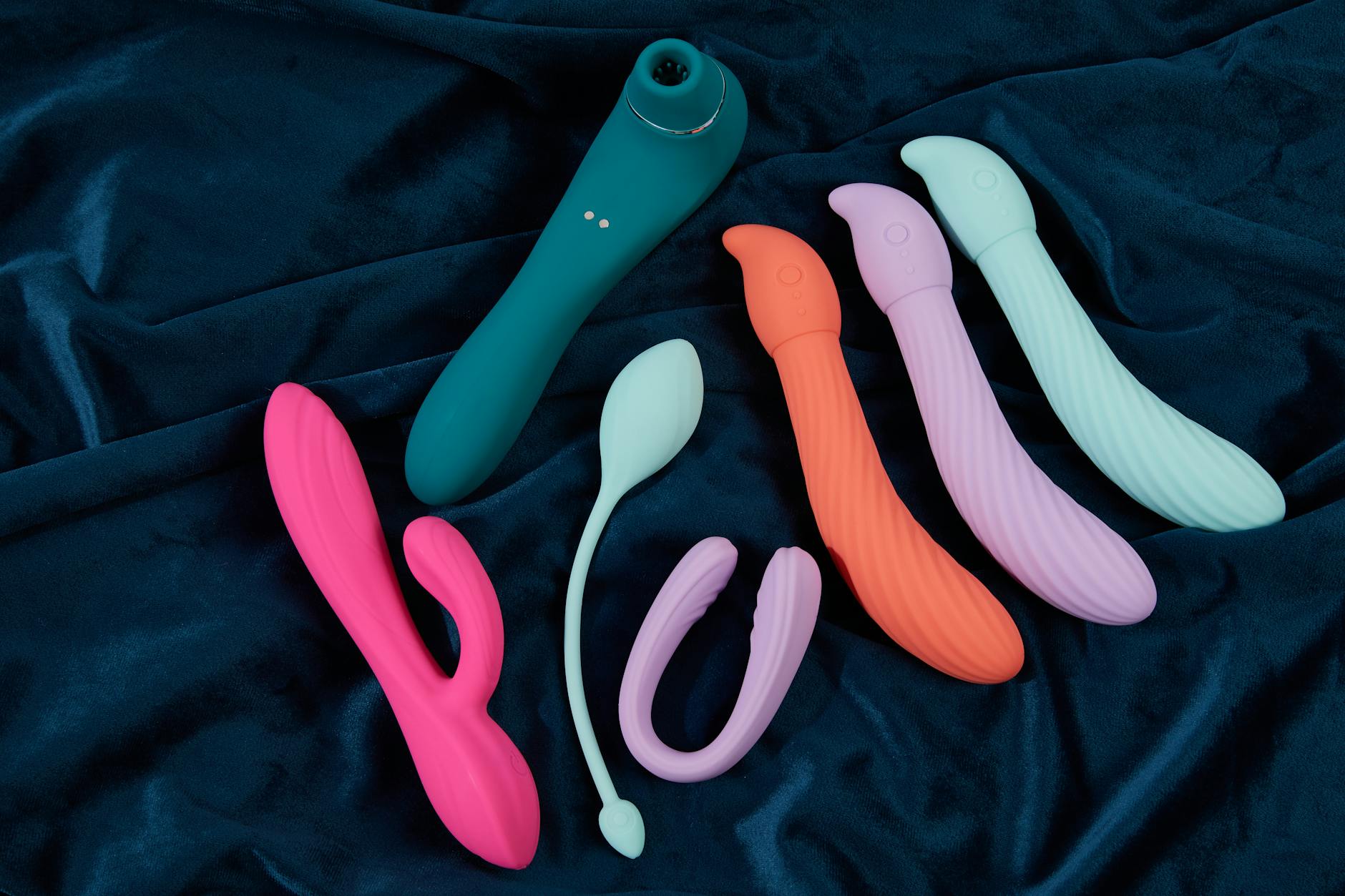
Photo by IFONNX Toys on Pexels
The science of sensory adaptation
One reason lemon vibrators feel so different is something called sensory adaptation. When you use the same stimulus repeatedly, your nervous system gradually stops responding as strongly. Wand users often notice they need to increase intensity over time just to feel the same sensation.
Because suction is a fundamentally different type of input, it resets that adaptation. Your clitoris doesn't habituate to it the same way. This is why people who've been wand-only for years sometimes find that switching to lemon vibrators (or using them intermittently) actually makes wand orgasms more intense again.
Your nervous system likes novelty. Different sensation types are novelty. That's a feature, not a bug.
Building a routine that works for your body
If you've decided to explore wider clitoral stimulation, start by understanding your current setup. How long does it usually take you to orgasm with a wand? What intensity level are you using? Are you numb afterward, or do you feel energized?
Then try a lemon vibrator with zero expectations. Spend three sessions just exploring the sensation without aiming for orgasm. Let your body learn what this feels like. On the fourth session, you'll probably have a much clearer sense of whether this mechanism works for you.
If it does, you now have two totally different tools. Different doesn't mean one replaces the other. It means you can choose what your body needs on any given day.
FAQ: Lemon Vibrators vs. Wand Vibrators
Can you use a lemon vibrator and a wand together?
Absolutely. Some people layer them. Use the lemon vibrator for five minutes to build arousal and sensitivity, then switch to a wand for the final push. Or alternate between them. There's no rule about using only one type of toy in a session.
Will a lemon vibrator feel weak compared to my wand?
Not necessarily weak, just different. The sensation is broader and gentler, which some people experience as less intense. But intensity isn't the same as effectiveness. Many people have stronger orgasms with clitoral suction despite lower vibration power, because the suction mechanism engages more tissue.
Do lemon vibrators take longer to reach orgasm?
Usually yes, but that's not a drawback. The buildup is slower and wider, which many people find more pleasurable than the sharp spike of a wand. If you're used to 30-second wand orgasms, a 3-5 minute lemon vibrator session might feel long at first. After a few tries, many people prefer it.
What if I have a sensitive clitoris? Will suction be better?
Often yes. Suction doesn't cause the same friction-based irritation that vibration does. If wand vibrations make your clitoris feel raw or numb, lemon vibrators are worth trying. You also have more control over intensity through suction strength rather than vibration speed.
Is there a wrong position for using a lemon vibrator?
Less wrong than with a wand. Because the sensation is diffuse rather than point-based, positioning is more forgiving. You have more wiggle room (literally). That said, you'll find sweet spots that feel better than others. Exploring those spots is part of the pleasure.
Can I use a lemon vibrator if I've never used any toy before?
Completely. In fact, some first-time users prefer clitoral suction toys to wands because they feel less intimidating and the sensation is gentler. If you're nervous about toy use, suction is a less jarring introduction than vibration.
The bottom line
Wand vibrators and lemon clitoral vibrators work through different mechanisms. That difference creates genuinely different sensations. Which is "better" depends entirely on your body and what feels good to you.
If you've only ever tried wands, you're missing half the picture. Wider clitoral stimulation is a real, documented preference for a lot of people. The only way to know if it's for you is to try it with the mindset that it's going to feel different, not wrong.
Your pleasure matters. Exploring what actually works for your body, rather than what you think should work, is how you find it.